
Drooping eyelids and tired-looking eyes are among the earliest visible signs of aging. No matter how carefully you look after your skin or how many high-quality creams and retinol products you use, genetics can play a significant role in how the delicate skin around your eyes changes over time.
For some people, these changes develop gradually and remain barely noticeable. However, individuals who naturally have heavier eyelids or excess skin may eventually feel the need to improve the appearance of their eye area.
You have probably already heard of eyelid surgery, medically known as blepharoplasty. If you are wondering whether you might be a suitable candidate, you are in the right place.
In this article, we explain everything you need to know about blepharoplasty, including when to consider surgery, who is a suitable candidate, what the procedure involves, and what to expect during recovery.
When Should You Consider Eyelid Surgery?
Blepharoplasty is not performed exclusively for cosmetic reasons or facial rejuvenation. In certain cases, it can also provide functional benefits.
Although drooping eyelids are commonly associated with the natural aging process, eyelid surgery may be considered in the following situations:
- Excess skin on the upper eyelids begins to hang over the eyes.
- You experience a feeling of heaviness in your eyelids or eye fatigue throughout the day.
- Excess eyelid skin makes applying eyeshadow or eyeliner difficult, or your makeup no longer looks the way it used to.
- Loose upper eyelid skin partially obstructs your field of vision.
When it comes to the lower eyelids, surgery is most commonly considered to address prominent under-eye bags and fatty deposits that create a tired or puffy appearance.
If the appearance or function of your eyelids is beginning to affect your everyday quality of life, or if you feel increasingly self-conscious about your eye area, it may be worth discussing your options with a qualified surgeon.
Who Is a Good Candidate for Blepharoplasty?
Suitable candidates for blepharoplasty are generally individuals who:
- Have excess skin or fatty deposits around the upper or lower eyelids.
- Are in generally good health.
- Do not have untreated or poorly controlled eye conditions that could increase surgical risks.
- Have realistic expectations about the results of eyelid surgery.
It is important to emphasize that age is not the deciding factor.
Although blepharoplasty is commonly performed on patients over the age of 35, younger patients may also consider the procedure when hereditary factors contribute to excess eyelid skin or prominent under-eye bags.
Who Should Not Undergo Blepharoplasty?
Blepharoplasty may not be appropriate for individuals with certain medical conditions, particularly when those conditions are untreated or poorly controlled.
Potential contraindications or reasons for additional medical assessment include:
- Active eye infections or inflammation.
- Uncontrolled diabetes or high blood pressure.
- Thyroid eye disease, including eye complications associated with Graves’ disease.
- Severe dry eye syndrome or other significant ocular surface disorders.
- Bleeding or clotting disorders that increase surgical risks.
- Autoimmune conditions that may affect healing or recovery.
- Active skin conditions, such as eczema or psoriasis, affecting the surgical area.
- Psychological concerns that may interfere with informed decision-making or realistic expectations.
- Pregnancy or certain recent cosmetic procedures around the eyes.
Having one of these conditions does not automatically mean surgery is impossible. Your surgeon will assess your medical history, current health, and individual risk factors before determining whether the procedure is appropriate.
How to Prepare for Eyelid Surgery
Before undergoing blepharoplasty, you will need a consultation and any necessary preoperative examinations.
Your surgeon may recommend an assessment of your eyelid function, tear production, and eye health, particularly if you experience dry eyes or visual symptoms.
Patients who smoke are generally advised to stop smoking several weeks before surgery, as nicotine can interfere with circulation and wound healing.
You should also inform your surgeon about all medications and supplements you take, especially those that may increase bleeding risk.
Do not stop taking prescribed medications unless your surgeon or prescribing doctor specifically instructs you to do so.
On the day of surgery, you will usually be asked to arrive without eye makeup and to follow any additional preparation instructions provided by your medical team.
How Is Blepharoplasty Performed?
Blepharoplasty is a well-established surgical procedure that is commonly performed under local anesthesia, sometimes combined with sedation. General anesthesia may also be used depending on the extent of surgery and the patient’s individual circumstances.
The procedure can involve the upper eyelids, lower eyelids, or both, depending on the patient’s anatomy and treatment goals.
The surgical technique varies according to the area being treated:
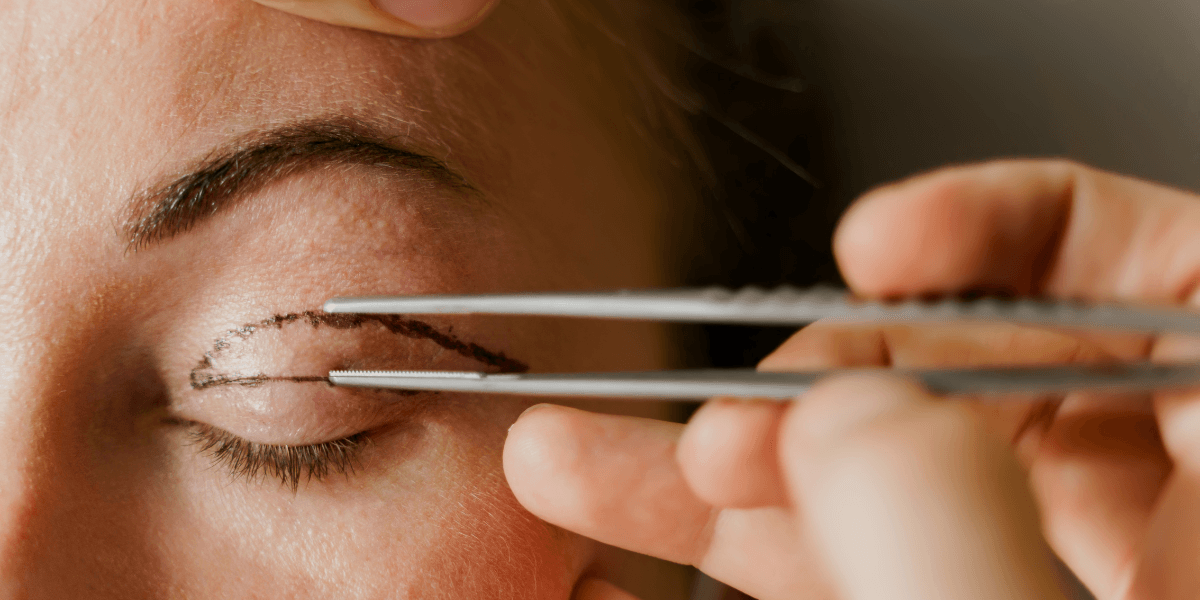
- Upper eyelid blepharoplasty: An incision is typically made along the natural eyelid crease. The surgeon carefully removes excess skin and, when appropriate, adjusts or removes fatty tissue.
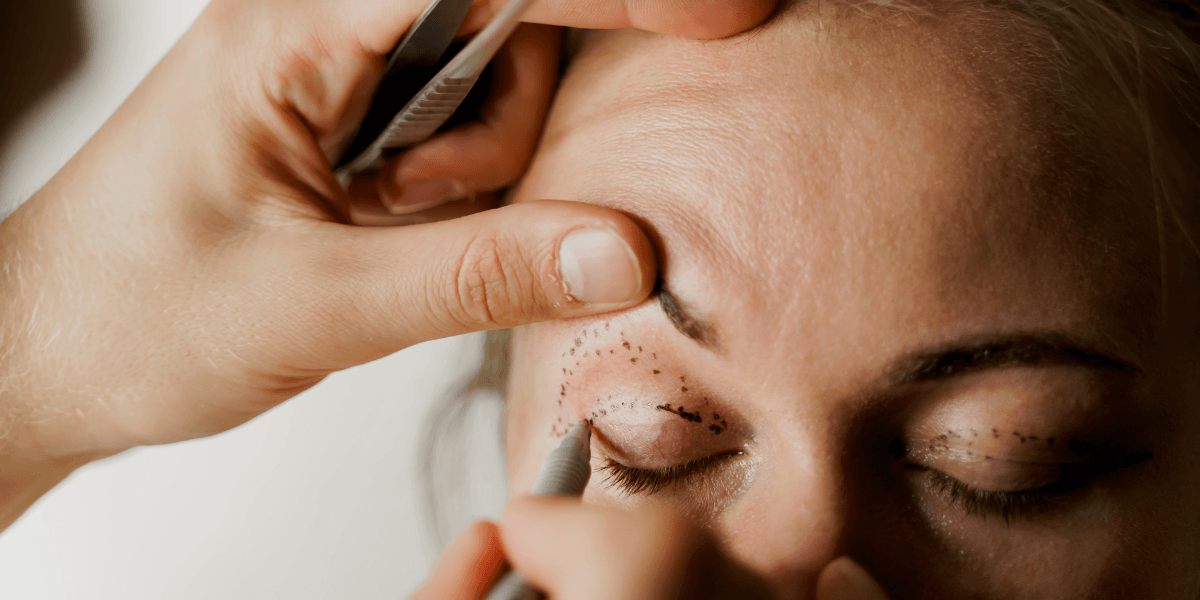
- Lower eyelid blepharoplasty: An incision may be made just below the lower eyelashes or on the inside of the eyelid. The surgeon can then remove or reposition excess fat and address loose skin when necessary.
The procedure may take approximately one hour for a relatively straightforward correction, although combined or more complex procedures can take longer.
Blepharoplasty is frequently performed as an outpatient procedure, meaning many patients can return home the same day after appropriate monitoring.
At Clinic Olymp, surgical techniques may include a combination of radiofrequency (RF) technology and conventional surgical removal of excess skin and fatty tissue.
Radiofrequency instruments can assist with tissue cutting and coagulation. However, the choice of technique depends on the patient’s anatomy and the surgeon’s assessment, and no technique eliminates the risks associated with surgery.
Incisions are generally positioned within natural eyelid creases or along discreet anatomical lines to help minimize the visibility of scars.
How Long Does Blepharoplasty Recovery Take?
Recovery after blepharoplasty is generally manageable, but patience is important as swelling and bruising gradually improve.
A typical recovery timeline may look like this:
- First 3–5 days: Swelling and bruising are often most noticeable during the initial postoperative period.
- After approximately 5–7 days: Non-dissolvable sutures may be removed, depending on the surgical technique and your surgeon’s instructions.
- After 10–14 days: Much of the visible bruising and swelling has usually improved, and many patients feel comfortable returning to work and social activities.
- After 3–4 weeks: Many patients can gradually resume most everyday activities and their usual skincare routine, subject to medical approval.
During recovery, it is generally recommended to avoid strenuous physical activity, excessive sun exposure, and anything that may irritate or place pressure on the healing eyelids.
Wearing sunglasses outdoors can help protect the sensitive eye area from sunlight and wind.
Cold compresses may help reduce swelling when used according to your surgeon’s instructions.
Sleeping on your back with your head slightly elevated can also help minimize swelling and avoid unnecessary pressure on the surgical area.
Although many patients look and feel considerably better within two weeks, subtle swelling and scar maturation may continue for several months.
Is One Blepharoplasty Procedure Enough?
In many cases, a single blepharoplasty procedure provides long-lasting results.
Upper eyelid surgery can maintain its benefits for many years, while the results of lower eyelid blepharoplasty may last even longer.
However, the duration of the results varies from person to person.
Factors such as genetics, skin elasticity, lifestyle, and the natural aging process all influence how the eye area changes over time.
Smoking, excessive sun exposure, and other lifestyle factors can contribute to premature skin aging.
It is important to understand that blepharoplasty can rejuvenate the appearance of the eyelids, but it cannot stop the natural aging process or prevent new wrinkles from developing.
Protecting your skin from excessive sun exposure and maintaining an appropriate skincare routine can help support the long-term appearance of your results.
Will Blepharoplasty Results Look Natural?
Natural-looking results are one of the main goals of carefully planned blepharoplasty.
One of the most common concerns patients express during consultations is that their eyes might look overly tight, dramatically altered, or unnatural after surgery.
It is important to distinguish traditional blepharoplasty from procedures sometimes promoted under names such as “cat eye” or “fox eye.”
These terms can refer to different aesthetic techniques and are not synonymous with standard eyelid surgery.
When appropriately planned and performed, blepharoplasty aims to refresh the eye area while preserving the patient’s natural facial characteristics.
Rather than dramatically changing your expression, the goal is generally to reduce the appearance of tiredness and create a more rested, refreshed look.
Depending on your anatomy and the procedure performed, potential improvements include:
- A more rested and refreshed appearance.
- Eyes that appear more open and less heavy.
- Subtle rejuvenation of the upper or lower eyelids.
- Improvement in the upper visual field when excess eyelid skin causes an obstruction.
As with any cosmetic procedure, results vary, and it is important to discuss realistic expectations and potential risks with your surgeon.
Consult an Experienced Eyelid Surgeon
If you are considering blepharoplasty, the first step is to speak with an experienced surgeon who can evaluate your eyelids, discuss your concerns, and explain the available treatment options.
At Clinic Olymp, we believe that every patient deserves an individualized approach and a clear understanding of the procedure before making a decision.
Contact us to schedule your consultation today.
Our team will be happy to answer your questions about blepharoplasty, explain what to expect before and after surgery, and help you determine whether eyelid surgery may be the right choice for you.